

-
 Executive
- Doner Kebab Machine
- 10.03.2026
- 1084


Which is the best doner kebab knife for your business?
Electric Doner Kebab Knife vs. Traditional Knives: A Comprehensive Comparison
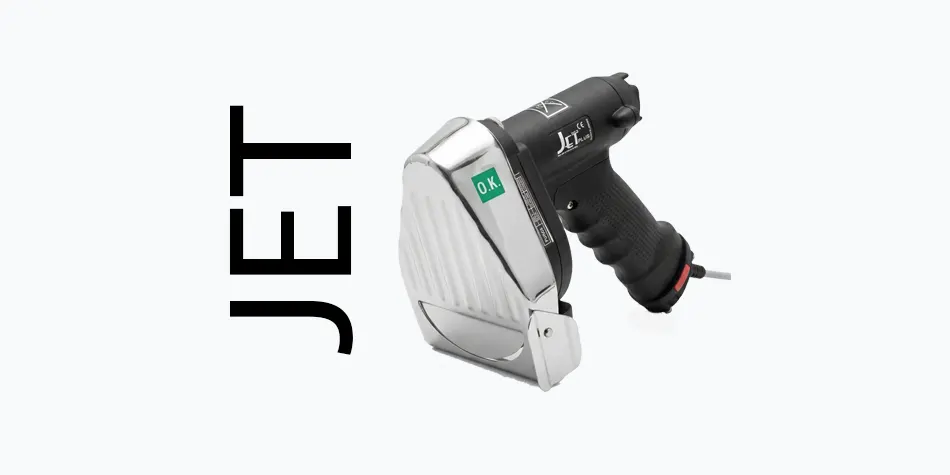
In industrial kitchens, speed, standardized portioning, and staff efficiency are key to profitability. In perfectly slicing a döner kebab, traditional methods... electric shawarma knife This transition is revolutionizing the operational capabilities of businesses. So, what are the advantages and disadvantages of this professional equipment compared to traditional methods?
Traditional doner kebab knife
Classical MethodAdvantages (+)
- Low Initial Cost: The purchase budget is more affordable compared to motorized equipment.
- Independent Use: It doesn't require electricity; döner kebab can be sliced in any environment.
Disadvantages (-)
- Requires High Skill: Cutting döner kebab to standard thickness depends entirely on the experience and skill of the chef.
- Physical Fatigue: Prolonged manual work can lead to wrist and arm fatigue over time, reducing performance.
- Portion Loss: Thick or irregularly cut pieces disrupt the standard weight of döner kebab, resulting in significant cost losses for the business.
- Speed Loss: Keeping up with the increasing number of döner kebab orders during peak hours is becoming increasingly difficult.
Electric Rotisserie Kebab Cutting Machine
Modern and Industrial SolutionAdvantages (+)
- Flawless Standardization: Thanks to the precise adjustment mechanism, each döner kebab slice is cut to the same thickness, down to the millimeter, from morning to evening.
- Maximum Speed and Efficiency: It is much faster and more efficient than traditional cutting. It minimizes customer waiting times.
- Ergonomics and Occupational Safety: Thanks to its balanced and lightweight design that doesn't tire the chef, it supports occupational health and safety and ensures uninterrupted döner kebab service.
- Cost Control: By minimizing waste in döner kebab production, the machine saves on meat costs and quickly pays for itself.
- Superior Hygiene: Made with food-grade materials and an easy-to-clean disc structure, it offers maximum food safety.
Disadvantages (-)
- Initial Investment Cost: Compared to classic döner kebab knives, it requires a higher initial budget (but this difference is quickly offset by the gram control it provides).
- Energy Requirements: It requires a regular power connection or charged batteries to operate.
Professional Cutting Technology: DIBEKSAN JET Series
We produce this with our engineering experience dating back to 1985. JET Series Electric Doner Kebab Cutting MachinesSpecifically designed to add value to the speed and quality of your kitchen, our flawless production processes, meeting EU standards and holding CE and NSF certifications, allow us to export reliability to the global market. Thanks to the AISI 304 and 316 grade brushed stainless steel components in our appliances, you can achieve long-lasting use and maximum hygiene, keeping your döner kebab flavor at its peak at all times.
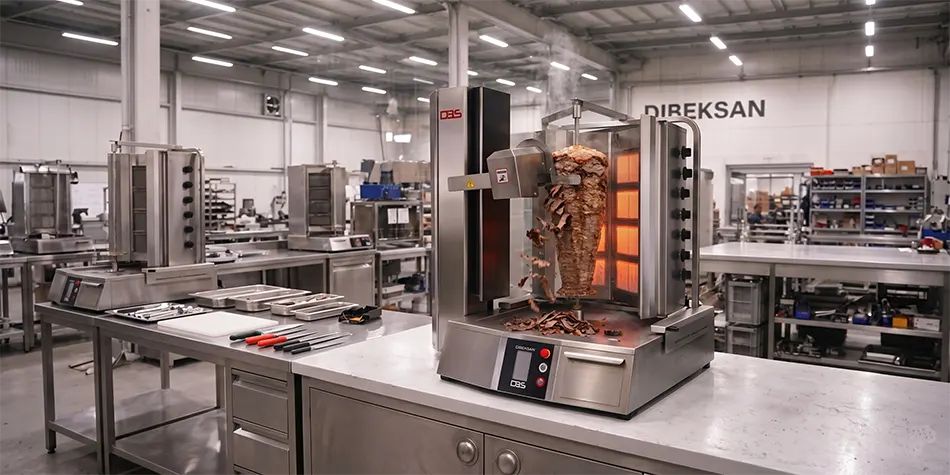
Industrial Kitchen Technologies Automation in Industrial Kitchens: The Benefits of Automatic Doner Kebab Cutting Robots for Businesses The world of gastronomy, one with Industry 4.0...
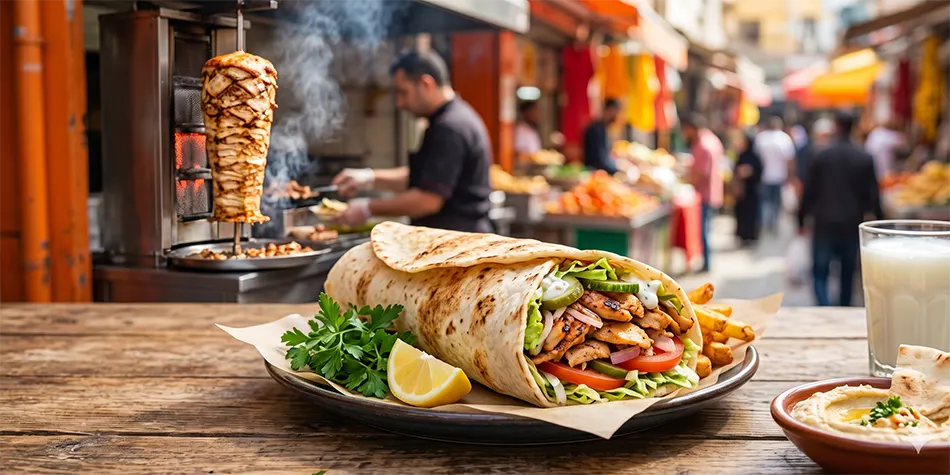
What is Shawarma? What are the Differences Between Shawarma and Doner Kebab? Gastronomy 5-Minute Read A dizzying aroma of spices spreading from the streets of the Middle East to the whole world...
Electric Doner Kebab Knife vs. Traditional Knives: A Comprehensive Comparison. In industrial kitchens, speed, standardized portioning, and staff efficiency are key to profitability.